Showing posts with label creativity. Show all posts

Friday, February 7, 2020

3 Ways To Encourage Creativity

A while back I was having a conversation with a colleague about creativity in learning. We debated back and forth about what creativity looked like and could you really teach creativity. All this stemmed from a comment I made about me not being creative.

Sure, I’ve written books, I talk in front of teachers and leaders often and create professional development to deliver.

But does that mean I am creative?

As educators, when it comes to creativity in the classroom, we can take the path of least resistance and take creativity out of the learning process or we can create an environment that fosters creativity in learning and allow kids to explore their talents.

Fostering creativity in learning in the classroom doesn’t have to be complex or complicated. Here are 3 ways you can encourage creativity in your classroom this year.

Encourage Choice- Imagine being given a task and being told the product you are expected to produce. Everything related to that product is dictated to you. The colors, the font, the margins, the length, the steps you should take to get to that end result. Many of us would revolt. Yet this is what happens to students in classes each day. Projects are assigned and the expectations for the end product outlined. Instead of it being a project, it's more of a recipe.

The easiest way to encourage creativity in the classroom is through choice. Allowing students to discover their own paths to content and process and products helps invest them in their learning. While content may be set by standards or expected outcomes, students can get creative in how they learn that content, the methods by which they connect that content to already known knowledge and especially in how they demonstrate their understanding.

And the ISTE Standards for Students are centered around choice. Here are just 2 examples:

  • 3c-Students curate information from digital resources using a variety of tools and methods to create collections of artifacts that demonstrate meaningful connections or conclusions.
  • 6a-Students choose the appropriate platforms and tools for meeting the desired objectives of their creation or communication.

Choice can come in many forms. Everything from the devices students use, to the apps and software to the variable methods of demonstrating understanding with technology as an enabler, the ability for students to choose is at the heart of blossoming their creativity. It doesn't mean, however, that it has to be the wild wild west. Most classrooms fail at choice because they are too open ended. Kids are still learning. They still need guidance. Practice Creativity In The Rails. Give them a handful of curated choices so they can decide the best ways to demonstrate understanding. 

Encourage Failure- Failure is only "fatal" when the learning stops at the failure. If we did everything perfectly the first time there would be no room for growth and understanding. Kids need opportunities to fail, sometimes spectacularly, in order to make those critical connections in their brains that help them learn and grow.
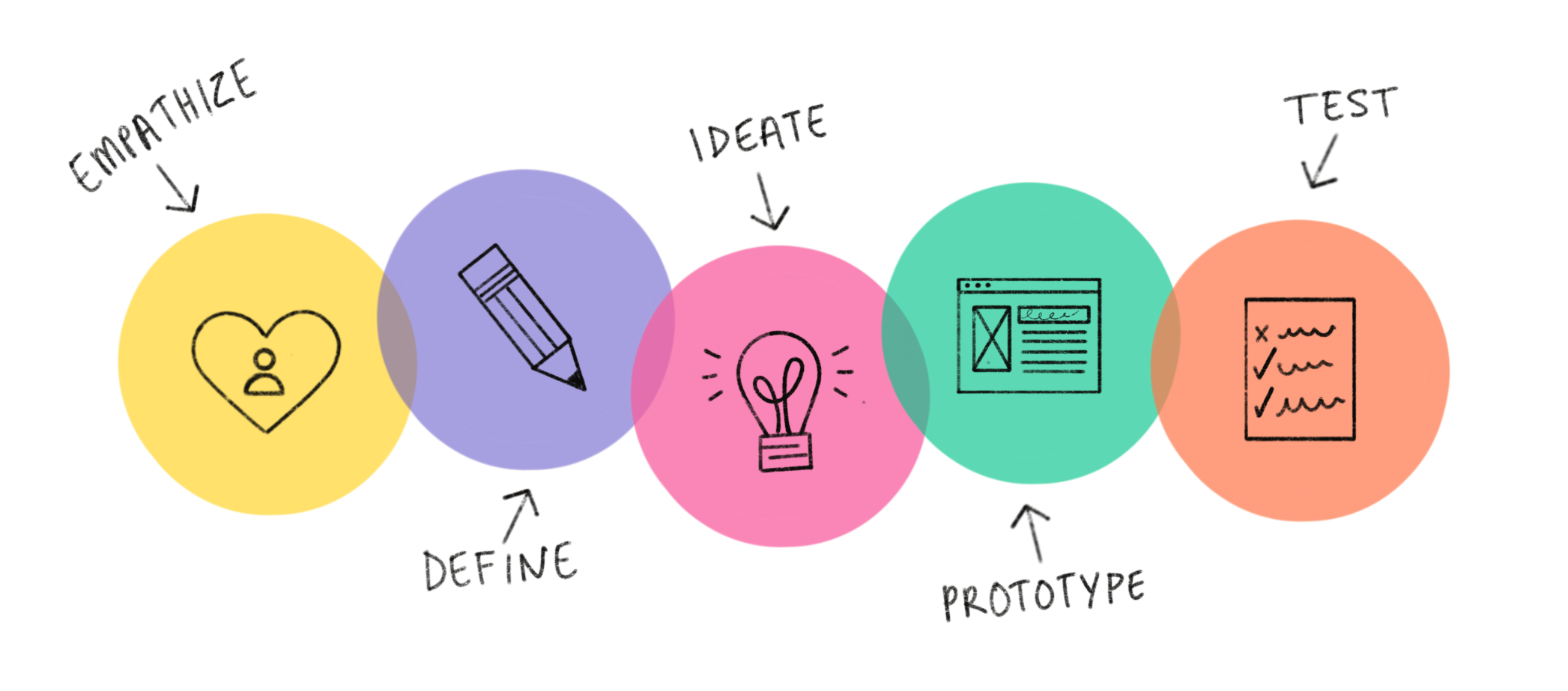
The Design Thinking method of problem solving, in my opinion, should replace Problem-Based Learning. In Design Thinking the first step is for students to empathize with a problem. (Normally in PBL the problem is chosen by the teacher which leaves little room for empathy.) As they work on their problem, in a real-world context, they ideate, prototype and test. They learn very quickly there are no easy solutions. They will fail. They will have to cope with ambiguity and the unknown. And it's in these struggles and failures they reach deep within and creativity shines.

Encourage Audience- One of the best ways to boost creativity in your classroom this year is to widen the audience of your students work. In the past much of the work students did lived between the teacher and the student. The student would write a paper and turn it in. The teacher would mark it up with the red pen and return it. And that’s where it ended. What if what students were creating, writing and making could have an impact on the lives of others. The only way we’ll know is by sharing.

We live in an age where sharing is as easy as creating a post, sending a tweet or making a video. You can boost the creativity on the projects and work you assign by tapping into our social side and get students sharing their work with peers, their community and the world. Posting videos to you YouTube, creating podcasts, writing a blog, and building a website are just a few examples of how students can share with the world what they know and help foster creativity. And when we know we are creating something for an audience other than ourselves think about how much harder we work to perfect it? To make it show not only the information we want to share but also who we are as a creative person.

Having transformational technology resources directly in the hands of students, not only helps foster creativity but now students have an easy to use way to publish to their own blog, a website or use something like Twitter or Facebook to share their ideas with the world.

Wednesday, May 2, 2018

What 15,000 Kids Taught Me About Creativity

When I walked into the Houston Convention Center a few weeks ago I wasn’t sure what to expect. I had never attended a FIRST LEGO League World Championship. Walking through the doors I was in awe. 15,000 kids from nations all over the world gathered to show off their robotic and LEGO creations and compete for the title of World Champion. I heard multiple languages, adults reminding kids about how they got there and some of the craziest chants you’ve ever heard.

I thought was here to watch kids problem solve with robotics, not go to war.

But it was war. A war of creativity.

There is a lot to learn about FIRST, the organization behind the meets, what they do and how they do it. Essentially they help promote student interest in Science, Technology, Engineering and Mathematics (STEM) through robotics and LEGO competitions. This year more than 516,000 kids from over 90 countries entered, starting in local meets to hopefully move to the World Championships.

What really struck me is the competition isn’t haphazard. It isn’t what group can create a LEGO robot that can throw a ball the furthest or a robot that can just do something basic. Not at all. The teams are given a theme, this year it was water, that they have several problems that they have to build using LEGO or other robotics to solve. Moving water from a distant well to a local community, storing the water for the long term, even figuring out how to build a working water treatment system that removes waste. (Fortunately, it was just rubber balls and not the real thing.)

Walking around for 2 days I could not get over the entirety of it all. It was loud. It was exciting. I talked to kids from all over the world about their participation and what it meant. I talked to parents about how they felt learning transferred to the classroom. And I talked to the FIRST leadership about what this competition means for the future.

See, most of these teams compete on their own time. The vast majority build and study, test and refine, outside of the classroom. They are doing on Tuesday Nights at their synagogue or Thursday afternoons with their Girl Scout troop or on the weekends with a bunch of friends because they want to win.

But, what they are doing when creating their robots for competition has a direct effect on the classroom. And, I believe if we embrace the type of authentic tasks, problem solving and collaboration that I saw at the World Championships, we’d be providing students much more valuable skills. We’d be creating an environment where creativity can flourish.

Authentic Tasks-The leadership teams at FIRST and LEGO Education spend months coming up with the theme and the tasks. They want these kids to see the impact their work can have on the real world and that is at the cornerstone of all this. Next year the theme was revealed to be Space. We don’t yet know what the tasks will be (that's a closely guarded secret) but we can guess it might be about long term space travel, colonization, gathering of resources or something else entirely. Like with water this year they wanted the kids to really look at what was happening in the world. Research the problems and come up with innovative solutions. I heard a story about the teams from Puerto Rico who used their knowledge learned through their research to create basic water treatment for their local communities after they were devastated by Hurricane Maria.

I’ve written about the need for authenticity in learning before. Students crave it. They want to see what they are learning applies to their world and beyond. They want to make a difference. They need authenticity. And they shouldn’t have to look to an after school group to find it. It should all start in the classroom.

Problem Solving- If there is anything out there that is a better example of kids problem solving I haven’t seen it yet. These kids spend a year working on the theme, researching, talking to experts, prototyping, experimenting and refining to solve the problems given in the theme. They aren’t just learning that the problems exist, they are actually trying to come up with creative solutions that can have a lasting impact. I heard a story about an all-girls team last year that used what they had learned to create prothstetics in their community for kids who couldn’t afford them. They are taking what they learned and making lasting change.

Kids don’t want to come to school, listen to some boring teacher lecture for hours and answer test questions. They want to be challenged, authentically. They know there are problems that exist in the world they might just have the solution to them. Real-world, authentic problem solving shouldn’t just take place outside of the school. It should be the basis for how we teach and what they learn. Don’t give them problems that already have solutions, let them find solutions to problems we’ve yet to solve.

Collaboration- No single participants here. Everything is done as a team. These kids work together for a year or more on these themes. They have to find a way to divide tasks, communicate with each other, work together and figure out what each of their strengths are to make a winning combination. Teamwork and collaboration are at the heart of the FIRST and LEGO missions. What is even more impressive is as teams are eliminated from competition, they aren’t. Winning teams that advance to the finals choose other teams to work with them. So everyone has a chance to be a part of a winning team.

Collaboration has long been talked about in the classroom. Allowing students to work together helps them see other points of view and determine their role in the creative process when working with others. It isn’t just putting desks together and saying students are working together. It’s fostering an environment where risk taking is a part of the process, where students can share without fear and most importantly it is where all ideas are considered and celebrated.

Wednesday, February 1, 2017

3 Ways To Encourage Creativity In Your Classroom This Year

This post is in partnership with ACER. Over the next few months I will be writing and sharing many of the exciting classroom products they offer like tablets, desktops and more!

A while back I was having a conversation with a colleague about creativity in learning. We debated back and forth about what creativity looked like and could you really teach creativity. All this stemmed from a comment I made about me not being creative. Sure, I’ve written books, I talk in front of teachers a lot and create professional development to deliver. But does that mean I am creative?

As educators, when it comes to creativity in the classroom, we can take the path of least resistance and take creativity out of the learning process or we can create an environment that fosters creativity in learning and allow kids to explore their talents.

Fostering creativity in learning in the classroom doesn’t have to be complex or complicated. Here are 3 ways you can encourage creativity in your classroom this year.

Encourage Choice- Imagine being given a task and being told the product you are expected to produce. Everything related to that product is dictated to you. The colors, the font, the margins, the length, the steps you should take to get to that end result. Many of us would revolt. Yet this is what happens to students in classes each day. Projects are assigned and the expectations for the end product outlined. Instead of it being a project, it's more of a recipe.

The easiest way to encourage creativity in the classroom is through choice. Allowing students to discover their own paths to content and process and products helps invest them in their learning. While content may be set by standards or expected outcomes, students can get creative in how they learn that content, the methods by which they connect that content to already known knowledge and especially in how they demonstrate their understanding.

Choice can also come from the types of technologies student use. There are all sorts of ways from students using tablets (like the Switch Alpha 12) to create videos and audio podcasts, to building or replicating historical events in Minecraft, to using drawing and spreadsheet tools to create infographics. And because we are using a tablet we can do this kind of creation from anywhere.

There are all sorts of ways for students to show off their creativity by fostering choice both with process and product.

Encourage Mobility- I am constantly on the go. Whether I am in a hotel room in another city or flying across the country I am rarely in the same spot for more than a few days. So my office is where I am. And how I work has to adapt to where I am and what I am working on. I carry a laptop and a tablet along with notebook and each is needed for the work I’m doing.

Students need the same opportunities. It you look at historical pictures of classrooms and compare them to images from today, not much has changed in how they are set up. We can’t expect to produce our best work it we are uncomfortable. Allow students to move around, make their own spaces where they can learn. And since technology is in a place where we can be mobile students don’t have to be tied to a desk. Convertible laptops like the Switch Alpha 12 that allow students the full function of a laptop but the mobility of a tablet can encourage learning anywhere and help boost creativity of students.

Encourage Audience- One of the best ways to boost creativity in your classroom this year is to widen the audience of your students work. In the past much of the work students did lived between the teacher and the student. The student would write a paper and turn it in. The teacher would mark it up with the red pen and return it. And that’s where it ended. What if what students were creating, writing and making could have an impact on the lives of others. The only way we’ll know is by sharing.

We live in an age where sharing is as easy as creating a post, sending a tweet or making a video. You can boost the creativity on the projects and work you assign by tapping into our social side and get students sharing their work with peers, their community and the world. Posting videos to you YouTube, creating podcasts, writing a blog, and building a website are just a few examples of how students can share with the world what they know and help foster creativity. Having resources like the Switch Alpha 12 directly in the hands of students, not only allows helps foster creativity and mobility but now students have an easy to use way to publish to their own blog, a website or use something like Twitter or Facebook to share their ideas with the world.

Tuesday, November 25, 2014

Overcoming The Barriers To Creativity And Innovation

It's been a few weeks since I returned from Doha, Qatar and the World Innovation Summit for Education (WISE). If you aren't familiar, this conference centers around scalable, actionable ideas for the future of education worldwide.

It is, by far, my favorite conference I get to attend each year because of the level of conversations that are had there. With some conferences the focus is on hot topics or what will bring in the biggest crowds. At WISE the conversations are on the topics that might be controversial or need to be addressed for education to move forward.

But there is always a focus on actions. 

The theme this year was on creativity and innovation and they were in full effect. In addition to some great keynote addresses on why creativity and innovation need to be cornerstones of education moving forward, there were thought provoking conversations around the future of universities and the value of college degrees, how important play really is to learning and more. There were makerspaces for attendees to build computers and work with Legos and opportunities for more unconference events to allow anyone to share ideas or resources. 

In all the conversations and sessions there were a few barriers to creativity and innovation in learning that kept being repeated over and over that we must overcome on a global scale. 

Emphasis on Standardized Assessments-As to be expected, many conversations centered around our global fascination with data and comparison of students. PISA, rankings, etc, where all cited as examples of our focus being on the wrong thing. One area I believe we all can agree upon is data is important. We need to know what our students are learning, when they learn it and how they know they know what they've learned. I also believe we can all agree that many of the data points used in education worldwide don't hold much meaning, other than to say one countries education system may or may not be better than another. 

To overcome we have to move this reliance on the wrong kind of data to the kind that truly matters. We must focus our efforts on the data that matters. What does that look like in your classroom? Formative assessments must be the norm. Relying on formative assessments to tell you what students know and don't, provide for an environment where kids can be creative and innovative. Sure, you might still have the typical standardized test at the end of the year, but students will be better prepared because your focus was on their learning, to ensure they are where they needed to be. And you will have provided an environment where kids can explore, reflect, grow and follow their passions through learning.

Lack of Fundamental Changes To Teacher Education Programs-Another, perhaps surprising area that was mentioned as a barrier, was the inflexibility of change in teacher education programs. Remember, this isn't just a U.S. problem, this is a global problem. Many of the programs worldwide still teach future teachers using outdated methodologies for a variety of reasons. In the U.S. there are many reasons but it is the lack of pushback from districts saying they need a different kind of teacher that is the main driver (or lack there of). If that is the case, why would programs need to change? This lack of change is turning out teachers in many locations that aren't prepared to use technology, amplify student voice or use the right kinds of data. 

This lack of change in teacher education programs is something that will take more than blog posts and conversations. It's going to take districts, Superintendents and others to better articulate the need for teachers to be prepared to be facilitators of learning rather than lecturers in the front of the room. Students need (and deserve) teachers who can, again, create those environments where they can explore, reflect, grow and find their passions through learning.

Leadership Crisis-As my friend Thomas Murray often says, what we have in education is a crisis in leadership, and I tend to agree. Despite many challenges and barriers, there are some teachers who exemplify what it means to promote creativity and innovation in learning. And an often cited reason for their success is a leadership who "get's it." A leadership who either gets out of the way and lets the teachers do what is best, or is hands on and pushes teachers to be better for their students. 

So if we have a leadership crisis, that begs the question, what do we do? As a classroom teacher it may be difficult to change the minds of leaders who might not understand why creativity should be more important than summative assessments. However, as I tell all who ask me, keep doing what is best for your students. The crisis in leadership can begin to be solved by schools and districts spending more time on the right kind of professional development for leaders. The kind that focuses in on those areas they need most like technology integration, understanding innovation can be part of learning and how to be a coach and instructional leader rather than a manager.

As you can see these are complex problems with no easy answers. One thing is for sure. Creativity and innovation should part of the learning process. And while there are no quick fixes, we all need to ensure kids have those opportunities to learn, reflect, grow and follow their passions, through learning. 

What do you think? What are the barriers to creativity and innovation in your classroom? How are you overcoming them? Leave a comment below. 

Photo Credit: Bernat... via Photopin cc

Monday, August 11, 2014

Fostering Creativity In The Learning Process

Several months ago I was having a conversation with a colleague about creativity in learning. We debated back and forth about what creativity looked like and could you really teach creativity. All this stemmed from a comment I made about me not being creative. Sure, I’ve written books, I talk in front of teachers a lot and create professional development to deliver. But does that mean I am creative? 

As educators, when it comes to creativity in the classroom, there are 2 things we can do. We can take the path of least resistance and take creativity out of the learning process. Or we can create an environment that fosters creativity in learning and allow kids to explore their talents. 

Fostering creativity in learning in the classroom doesn’t have to be complex or complicated. It can be as easy as moving desks around or giving students options for their learning. Here are 5 ways you can foster creativity in your classroom this school year. 

Make A Change In The Layout-Something simple like a change in the way a classroom is set up can spur creativity and innovation. If you are like me, you can think back to when you were in school and remember what your classrooms looked like. Teachers would take some time and make the bulletin boards nice, hang motivational posters on the walls, perhaps include a classroom library. But even with all that, the desks were set up the same. Equal number of rows, straight from the front to the back. Having desks in rows offers a fair amount of control over the learning environment but when we want to have students engage in creative thinking, rarely does that come in rows or even in desks. 

I was lucky. 

Being a science teacher I could have lab tables and that helped promote collaboration and brainstorming. If you can swap out your furniture for tables and chairs on wheels or are easy to move do it! If you are stuck with individual desks, allow students to move them around and huddle up. You can also create individual environments like a reading or art corner without busting your budget. A little change in how the classroom is organized can go a long way. 

Utilize Technology-I believe by now, we understand the power that technology can have in the learning process. Embracing technology and all it can do certainly can help students discover just how creative they can be. Instead of writing essays that live just on the teachers’ desk, write blog posts for the world to see. Instead of creating art projects that hang on the walls of the school, post them to the school webpage or a Tumblr or create a Twitter account to share them. 

I believe a large part of the creativity process is sharing. What if Shakespeare or Mozart or Michaelangelo hadn’t shared their works. Technology allows for simple and easy ways to express and share the work that students are doing and creating. 

Embrace Authentic-Based Learning-No matter if you call it problem-based learning or project-based learning, Socratic Method or the 5E Model, when you can bring authenticity into learning you can bring an element of creativity as well. Authenticity in learning brings those abstract, real-world situations to a level where our students can use their creative thinking deconstruct problems and use their creative process to find innovative solutions. 

Student Choice Is Key-Building off the use of authentic based learning, when you give students to the freedom to explore and create their own meaningful solutions, you are allowing them to explore their own creativity. Instead of outlining specific requirements for students to complete a project, allow them build/make/paint/compose/program/record their own solutions. 

Provide Time For Reflection And Feedback-What might be the most important part of the creative process, reflection and feedback need to be a valued part of any classroom. I remember pouring my heart and soul into projects when I was in school, only to get back a grade. No explanation, no feedback. Part of all of us becoming better at the things we want to be better at needs to involve some level of feedback and personal reflection. Provide time for students to talk to each other about their work and their thinking and make teacher and student conferencing a priority in your classroom. 

Infusing creativity in the classroom doesn’t have to be a complex proceed. Whether you do a complete classroom redesign or look to authentic-based learning or make a point to spend more time reflecting with your students, you are modeling that creativity and creative thinking are an important part of learning and showing students that their creative voices matter. 

photo credit: CRE@!V!TY - busy - via photopin cc

Wednesday, September 15, 2010

Lets Rap About The News...

Last week my good friend Richard over at the Free Technology for Teachers blog posted what has to be the coolest video ever. Ok, well maybe not ever. But it is still pretty cool. The folks over at Flocabulary post, each week during the school year, The Week In Rap, a short music video set to rap, that highlights current events from around the world.

This week is the Summer Recap. Check it out!


Cool right?

But think about it.

Why not have kids do the same thing? One of the things that some teachers do is require kids to get current events articles. I even did it as a science teacher. Kids had to the newspaper or online and get some science current events. My goal was to get them to know more about what was going on in the world of science. What usually happened is they got the articles, did a summary but couldn't tell you a thing about it a few days later. It was more "busy work"

But this idea...

Let the kids have a little bit of creativity with it. They can still do current events in history or science or the news but they could create a song, act it out, write a letter to the editor. The point is that when the students are allowed that little bit of freedom to express their creativity with what they are learning they take ownership of it and it means something to them.

And it doesn't have to be with current events. Any type of classroom assignment or project can be this way.

And that is sorta where I wanted #edchat to go this week. The topic centered around the Arts and assessment. The conversation broke down into how the arts are assessed and how they fit into modern day testing. What I hoped we would talk about is how the arts can be used as assessments themselves or parts of assessments.

What do you do in your class or what do your teachers do to differentiate assignments or projects? What cool or different ideas have you seen teachers do to allow students to express their creativity? Leave me some comments below.