I have had the honor and privilege of spending the last week in Doha, Qatar at the World Innovation Summit on Education (WISE) Conference. This has been an incredible learning experience for me. Reflection is a big part of my learning so I have many thoughts, and ideas going through my mind...
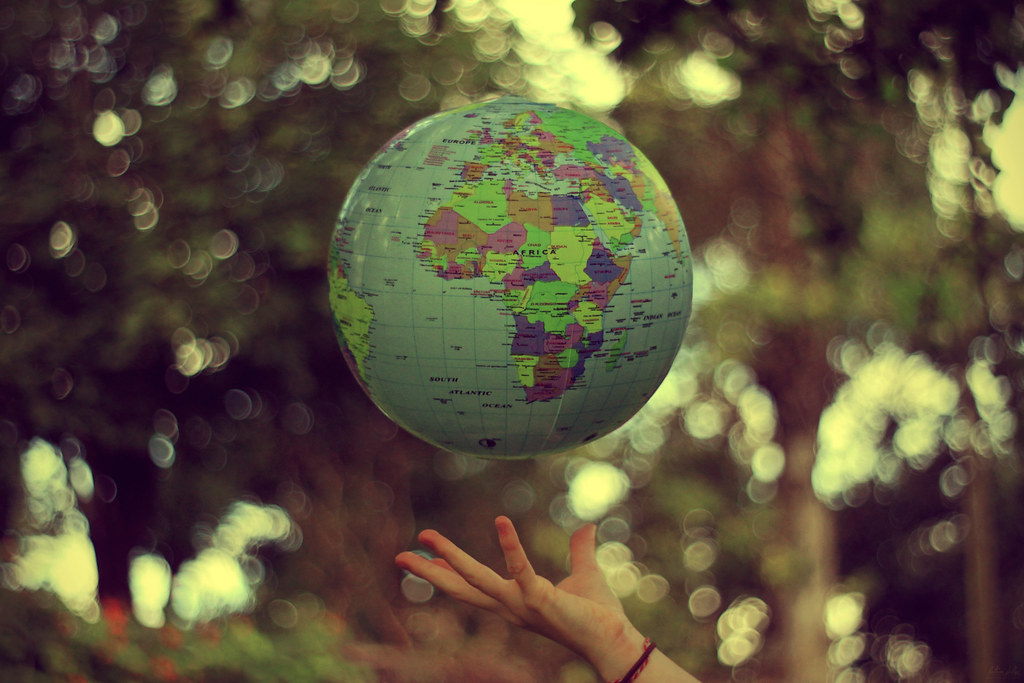
Global Thinking-While here I have been exposed to so many different parts of the world and heard about how education works (or doesn't) in all corners of the global. This is the first, true, International conference I have been to. While some organizations call themselves International because they have affiliates abroad, the issues at the conference are far from International. The conversations here were much different than anything I have had the chance to take part in before. While many referenced their home country, their thoughts and ideas were more global in nature, especially when it came to discussing how to ensure every child everywhere has access to a high quality education. We are all in this together. All of us have a moral obligation for the education of all kids, I believe. So the more we can do to reach out and help out kids in other parts of our countries and the world, we should jump at the opportunities.
Scalability And Adaptabilty-Part of WISE is recognizing and awarding projects that are truly innovative, life-changing and scalable. In the past projects like MIT Open Courseware, a radio education project for farmers and rural Nigeria, floating, solar-powered schools in monsoon-prone areas of Bangladesh and many more have been highlighted. Any of these and the other WISE Award winning projects could be scaled and adapted to work in any part of the world where access to a high quality education is needed. But it wasn't just the WISE projects that this could be done with. The philosophy and fundamentals of WISE could be applied anywhere. The idea of bringing together major players in education to talk, discuss and debate is already happening, just on a smaller scale with events like #Edchat and Edcamps. Teachers sharing what is working, what isn't and how we can all be better for kids.
Focus On Now With An Eye To The Future-One of the questions some of the moderators here liked to ask the various panels dealt with (most of the time surrounding technology) where we will be down the road. Questions like "Where are we going to be in 10 years, 15 years, 20 years with teaching/education/learning?" are easy to answer. We will be somewhere different, doing something different. The challenge is defining the different. Instead of asking questions about the future, we have to question the present. Questioning the future is easy. If it doesn't come true or something doesn't happen, no big deal. Questioning the present is a much harder task. We have to examine what we are doing now and where we are going now, keeping an eye to the future of course. But we have to constantly be evaluating what we are doing now and asking, how can we be better better? In terms of technology, it doesn't matter where will be in 5/10/20 years. The devices, systems and processes that will be in place will be different. So instead, let's think about it like the tool it is and think about how that all fits with pedagogy and learning and how we can make those two things different and better using technology, regardless of how the technology changes.
Innovation Comes From Within…Or Does It?-Like I have already mentioned there are some really great things going on in education, especially in parts of the world where innovation is desperately needed. Many of these projects grew out of some need that someone saw and they ran with it. So one of the things I have been reflecting upon is how innovation happens within a system. Innovations are disruptions in the system. Systems don't like disruptions. So like a delegate here said, innovation rarely comes from those within the system.If that is the case, what about those in the classroom trying to innovate learning and making great strides? Does innovation and change have to come from outside the system in order to disrupt or can we disrupt from within?
Now that I have had this experience I am constantly asking myself, what now? What next? One of things that is missing here from these conversations (that could be an easy addition) is action. What are we going to pledge to do now that we have had these conversations and how will we hold each other accountable? I am asking the same questions of myself. I have met people from all over the world, had a number of highly engaging conversations, learned about life-changing projects impacting kids in some of the poorest and underserved parts of Africa and Asia, what am I going to do? How can I do things differently locally, while still thinking globally?
It really was an amazing experience to spend time halfway around the world from my home, learning with people I might never had the opportunity to learn with. I hope you will check out the WISE Website, learn more about the conversations and follow more conversations through #WISE2012.
photo credit: Βethan via photopin cc


